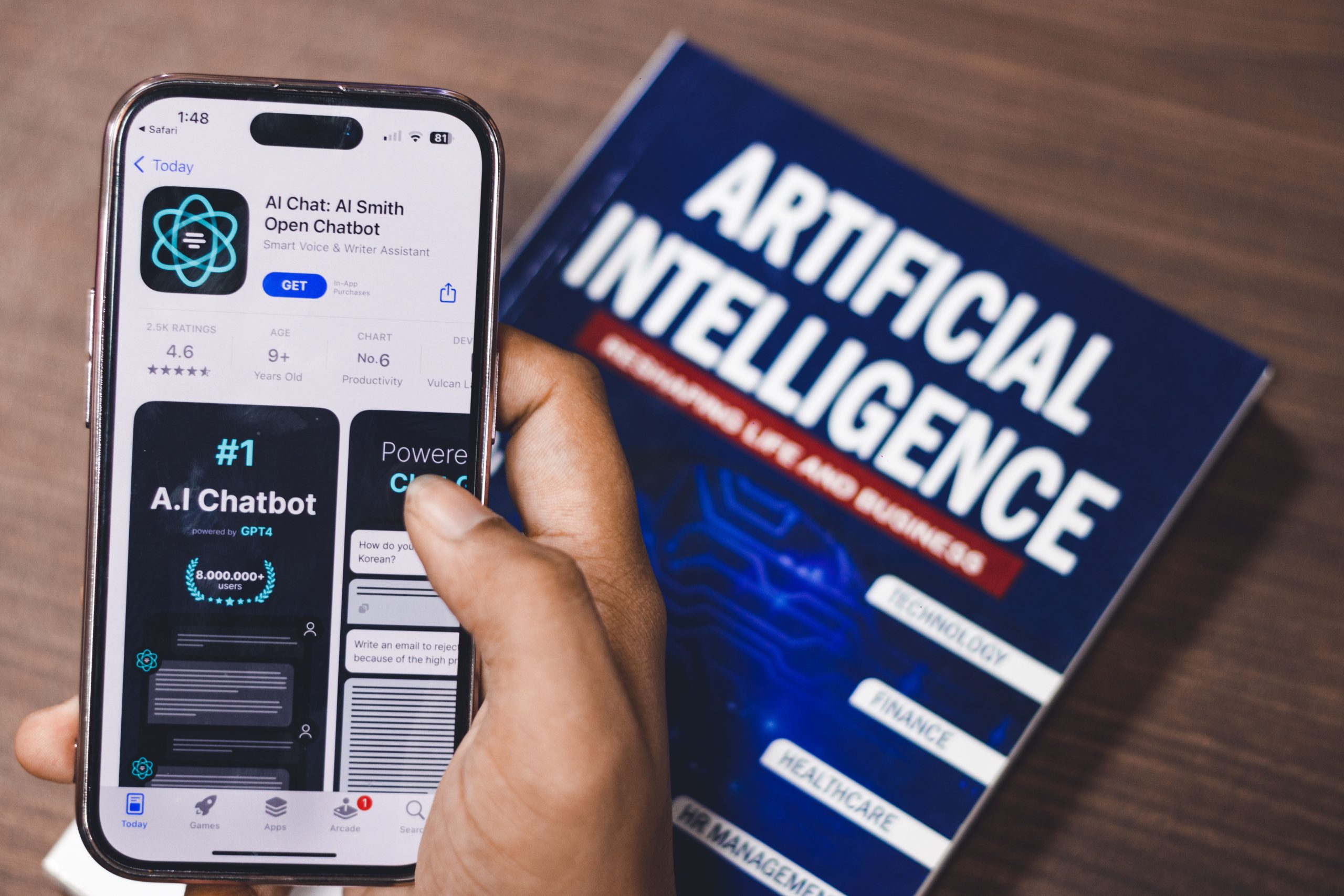
Walk into almost any HR or Payroll software demo this year and you’ll hear the same pitch: “the product now has AI”. It can draft job descriptions, answer policy questions, flag payroll anomalies, predict attrition and summarise performance reviews. Every vendor has a copilot, an assistant or an agent, and every one of them wants to be the place where your people work gets done.
On its own, each of these features can be very impressive. The problem is that very few organisations run on a single system.
The reality of the HR tech stack
Most mid-sized and large organisations run a patchwork. A core HRIS. A separate payroll provider, sometimes a different one in each country. An applicant tracking system. A learning platform. Engagement surveys, benefits, expenses, time and attendance, and perhaps a reward or compensation planning tool on top. In a business operating across several countries, that list can easily reach ten or more products, each with its own contract, data model and roadmap.
Now picture each of those vendors adding its own AI layer. The recruitment system has an assistant that writes job adverts. The HRIS has a chatbot that answers policy questions. The payroll platform has an agent that explains payslips. The learning tool recommends courses. Each one can only see its own slice of your data.
For employees, that could mean five different “assistants” giving answers from five different places. For the HR team, it means five sets of settings, governance reviews, data protection assessments and price uplifts. And for the HR Director, a difficult question: which of these do we actually adopt?
Fragmentation is the real risk
The promise of AI in HR is joined-up insight. Why are we losing people in a particular team? Is pay equitable across countries? How does absence relate to engagement and performance? Answering those questions needs data from several systems at once. An AI that only sees one system can only ever give part of the answer.
There is a real danger that vendors, each racing to put AI on their roadmap, recreate the very silos HR has spent the last decade trying to break down, only this time with a chat window on top.
There’s a trust issue too. If the payroll assistant and the HRIS assistant give an employee slightly different answers about the same entitlement, which one is right? In payroll especially, “mostly accurate” is not good enough.
The rise of “bring your own AI”
This is why I think many organisations will take a different route. Rather than adopting every vendor’s AI feature, they will treat their HR and payroll systems as systems of record and build, or buy, their own AI capability above them.
The logic is simple. Extract the data through APIs or a data platform, bring it together in one governed place, and point a single AI layer at it: one your organisation controls, configures and secures. General-purpose AI tools are becoming more capable every month, and the cost of building on them keeps falling. For many companies, one well-governed AI that sees the whole people dataset will be worth more than ten narrow ones that each see a fragment.
This approach has its own challenges. It needs clean, consistent data, which many organisations still don’t have. It needs skills HR and payroll teams may not have in house. It raises serious data protection questions, particularly when employee data moves across borders. And it shifts accountability: if your own AI gets it wrong, there’s no vendor to point to.
What this means for vendors and buyers
If this shift happens, the winning HR software vendors may not be the ones with the flashiest AI. They may be the ones with the most open APIs, the cleanest data and the easiest integrations: the ones who accept they are part of an ecosystem rather than the centre of it.
For buyers, the question is changing from “What AI does this product have?” to “How easily can we get our data out, and how well will it work with everything else we run?”
What do you think?
I’d really like to hear from HR, payroll and reward leaders on this:
- Are you adopting the AI features your vendors offer, or holding back?
- How many HR-related systems do you run, and how do you feel about each having its own AI?
- Are you considering building your own AI layer and using your systems purely as data sources?
- What’s getting in the way: data quality, skills, budget, governance or trust?
Share your views in the comments. I suspect the answers will vary hugely by organisation size and maturity, and that’s exactly the conversation worth having.
Not sure which AI tools to trust, or whether your data is ready for any of them? Cintriq helps HR, payroll and reward leaders make sense of a crowded vendor market. We assess your current systems and data, and we help you choose the vendors and build the roadmap that turn AI from a confusing extra into something your organisation can rely on. Get in touch to start the conversation.